Navigation
Articles · Named scams · 2 min read
What is a brushing scam?
A parcel arrives with your name on it — something cheap you never bought. It feels like a lucky mistake. It isn’t, and here’s what it really means.
1. What actually happened
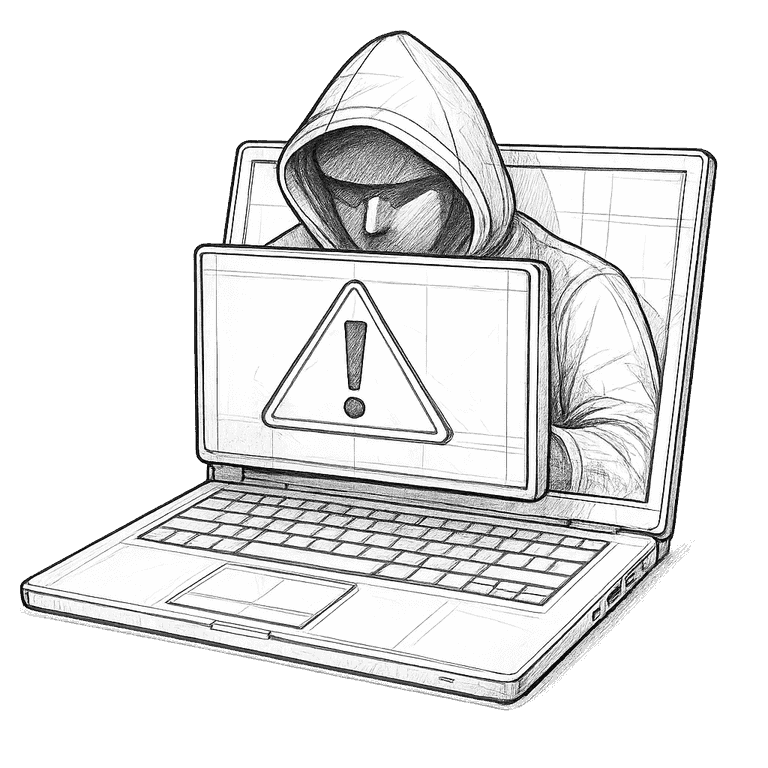
A seller — usually on a big marketplace — needs “verified purchase” reviews to make a product look popular. So they buy their own item, shipped to a real name and address: yours. The review they then post under your identity counts as verified, because a real order really was delivered. The cheap thing on your doorstep is just the price of faking that review.
2. Why it should worry you
The package is harmless. What it tells you isn't: someone has your name paired with your address, and often more — pulled from a data breach or a leaked list. A brushing package is a quiet signal that your details are being traded and used. It won't be the last time they are.
3. What to do about it
You don't have to return it — legally, unordered goods are yours. But don't scan any QR code or “track your gift” link that comes with it; that's how a free package turns into a phishing page. Change the password on any account tied to that address if you reuse it, watch for orders you didn't place, and report the fake reviews to the marketplace.
The free item is the bait that makes it feel like good luck. Treat an unordered package as a data-leak alert, not a gift — and never tap the link that comes with it.
Also worth knowing
Links · 3 min
Is this link safe?